
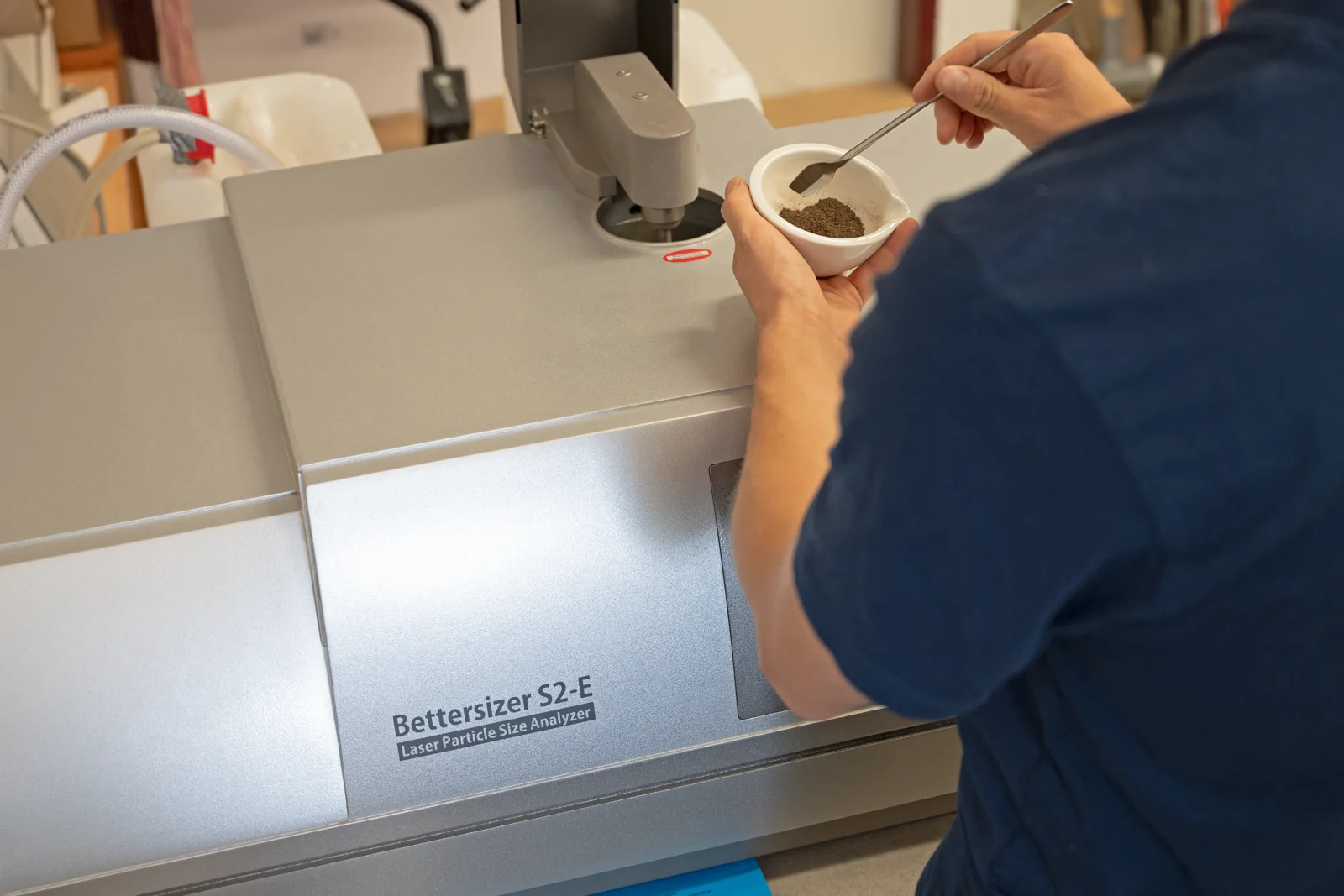
S2-E laser particle-size analyzer
Measures the proportions of grain-size fractions.
We start with an archaeological question: where did people farm, bury the dead or mine, and what traces may have remained in the soil? Sampling is designed for the site.
Depending on the research question, we analyse elemental composition, particle size or luminescence response and integrate the results with spatial, archaeological or remote sensing data.
Case studies →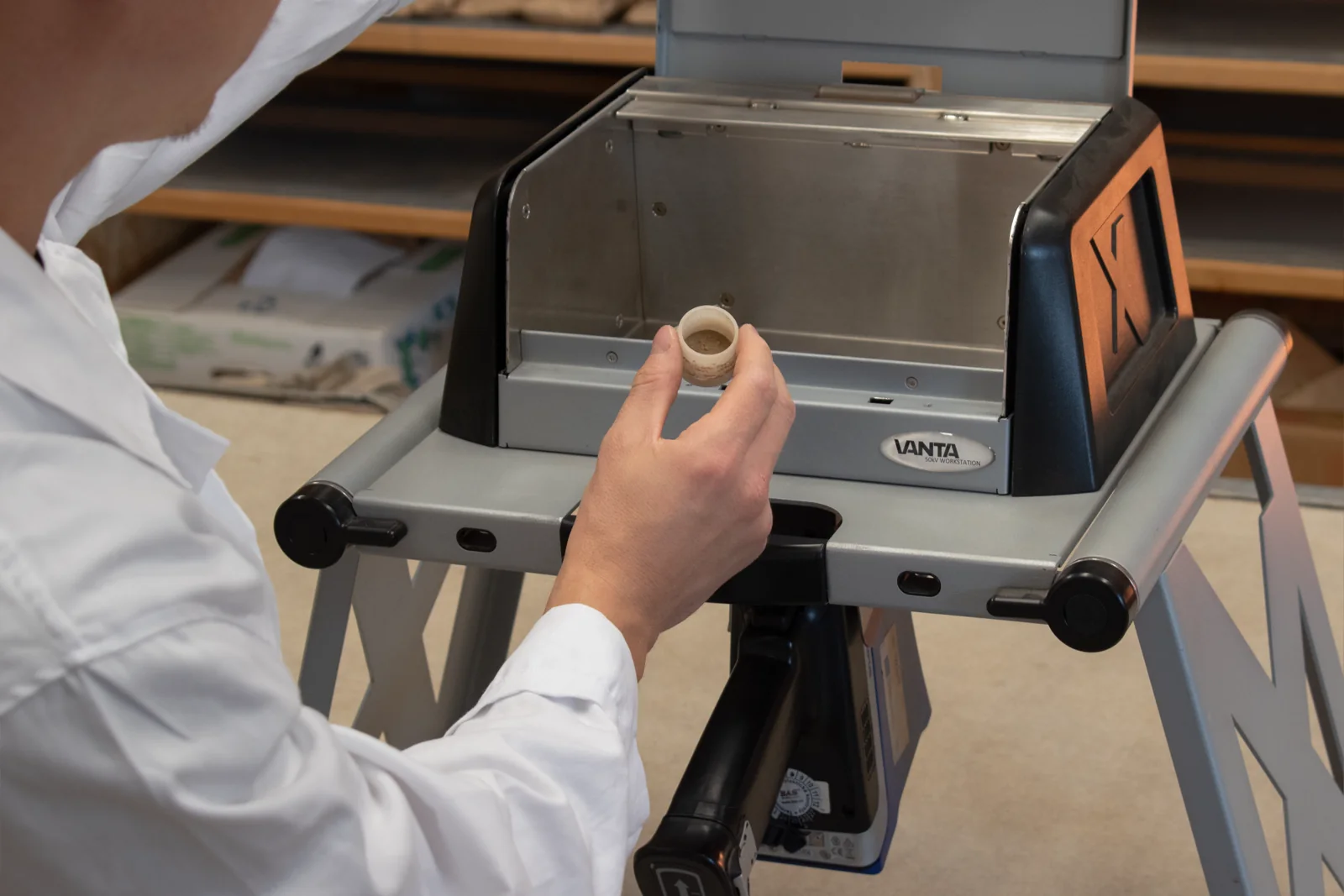
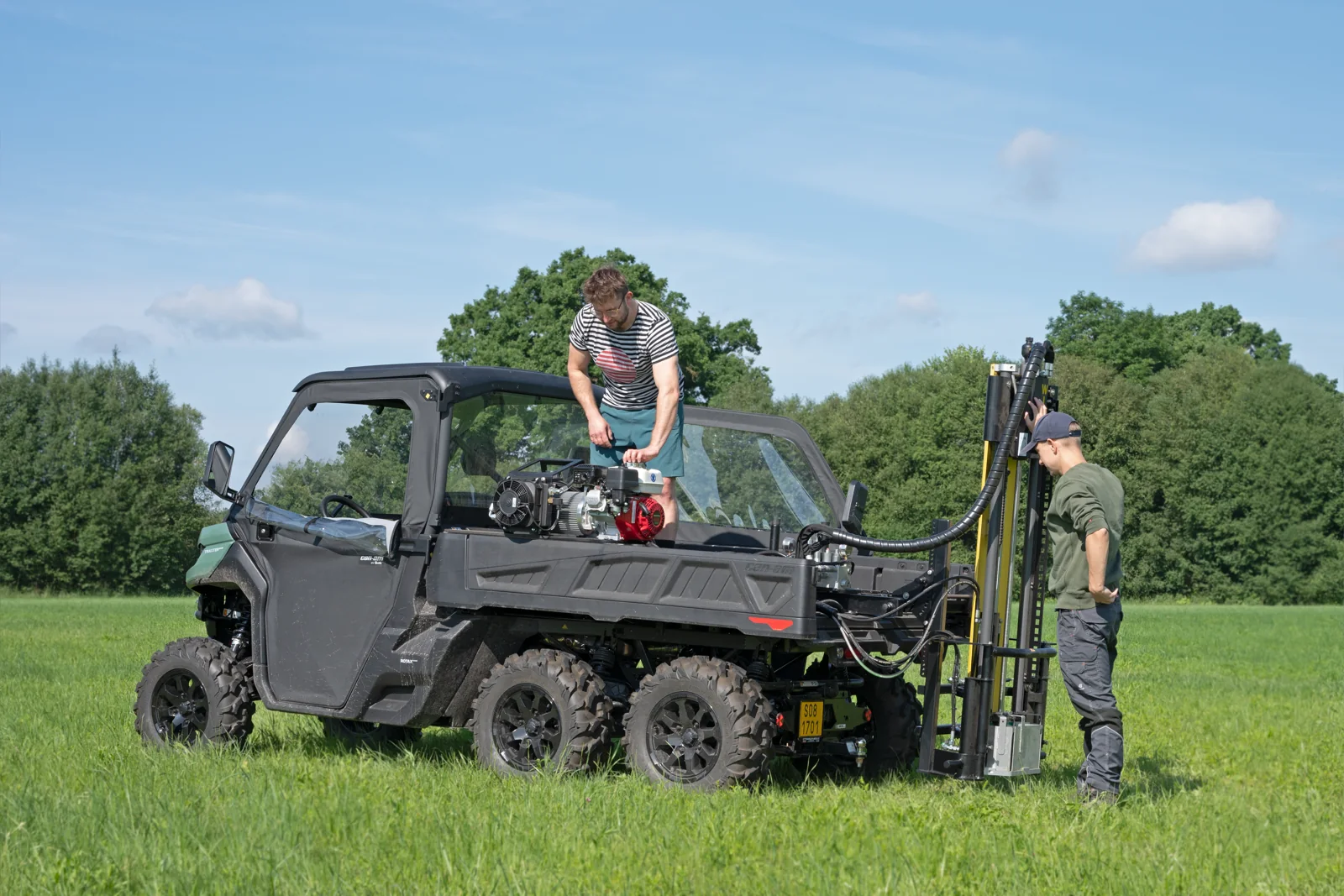
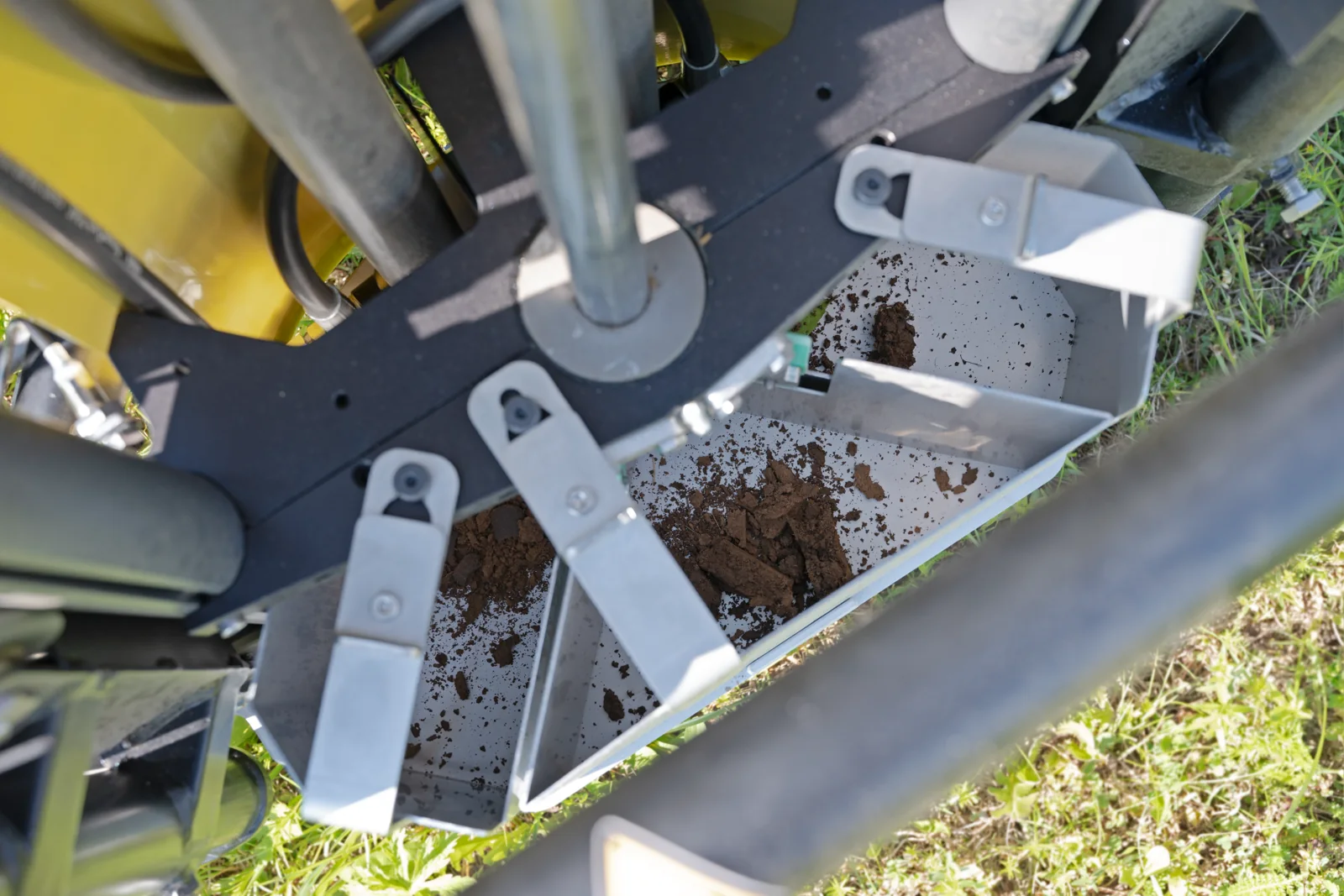
We design sampling around the research question and the characteristics of the site. Alongside manual soil probes, we use a vibratory coring rig to collect sediment cores to depths of 5 m and a UTV-mounted hydraulic soil sampler for sampling to 90 cm. We undertake both local surveys and large-scale sampling campaigns.
Measures the proportions of grain-size fractions.
Measures elemental composition in prepared samples.
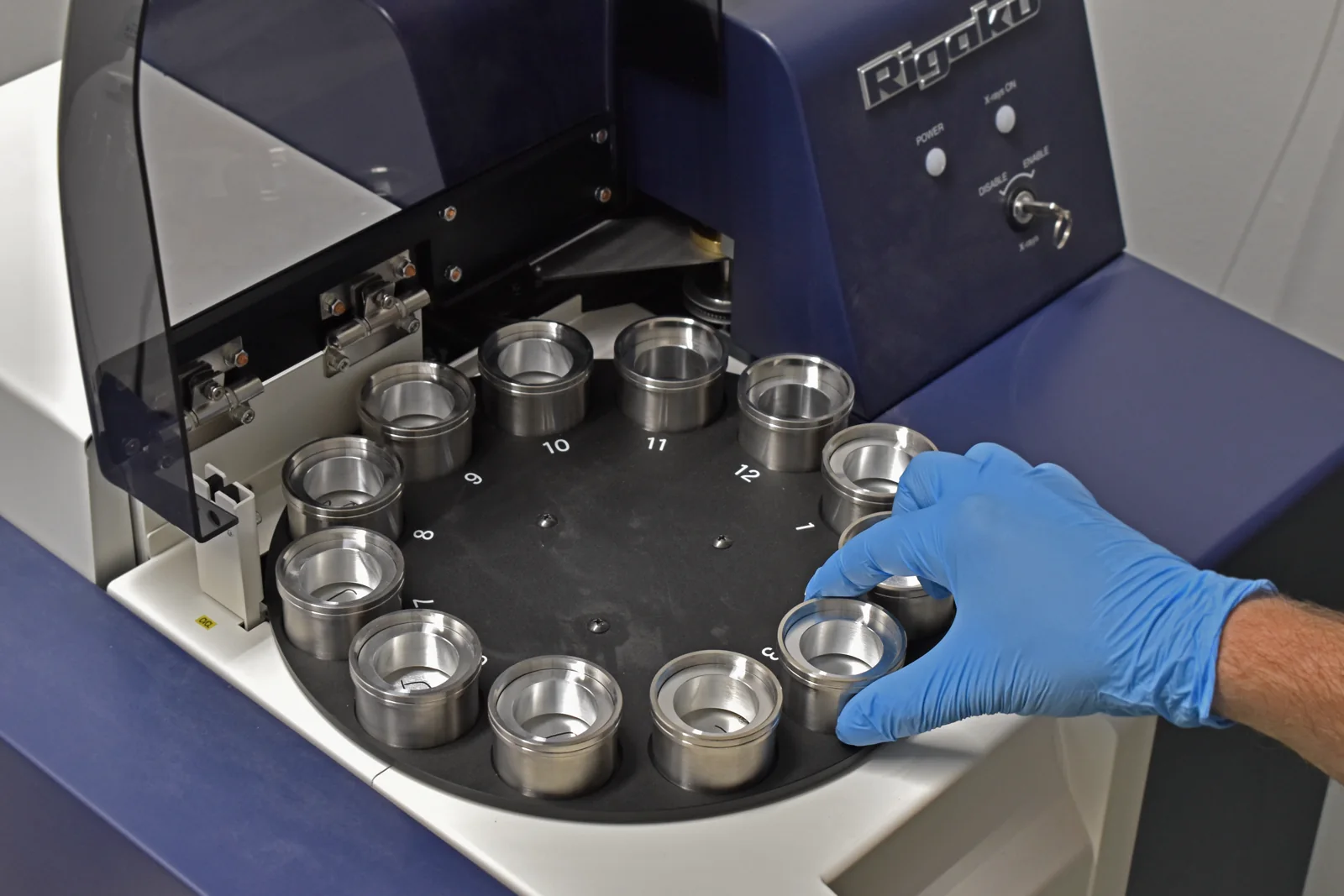
Laboratory wavelength-dispersive XRF for detailed elemental analysis. The instrument is documented in a paper about UHK’s environmental laboratory.
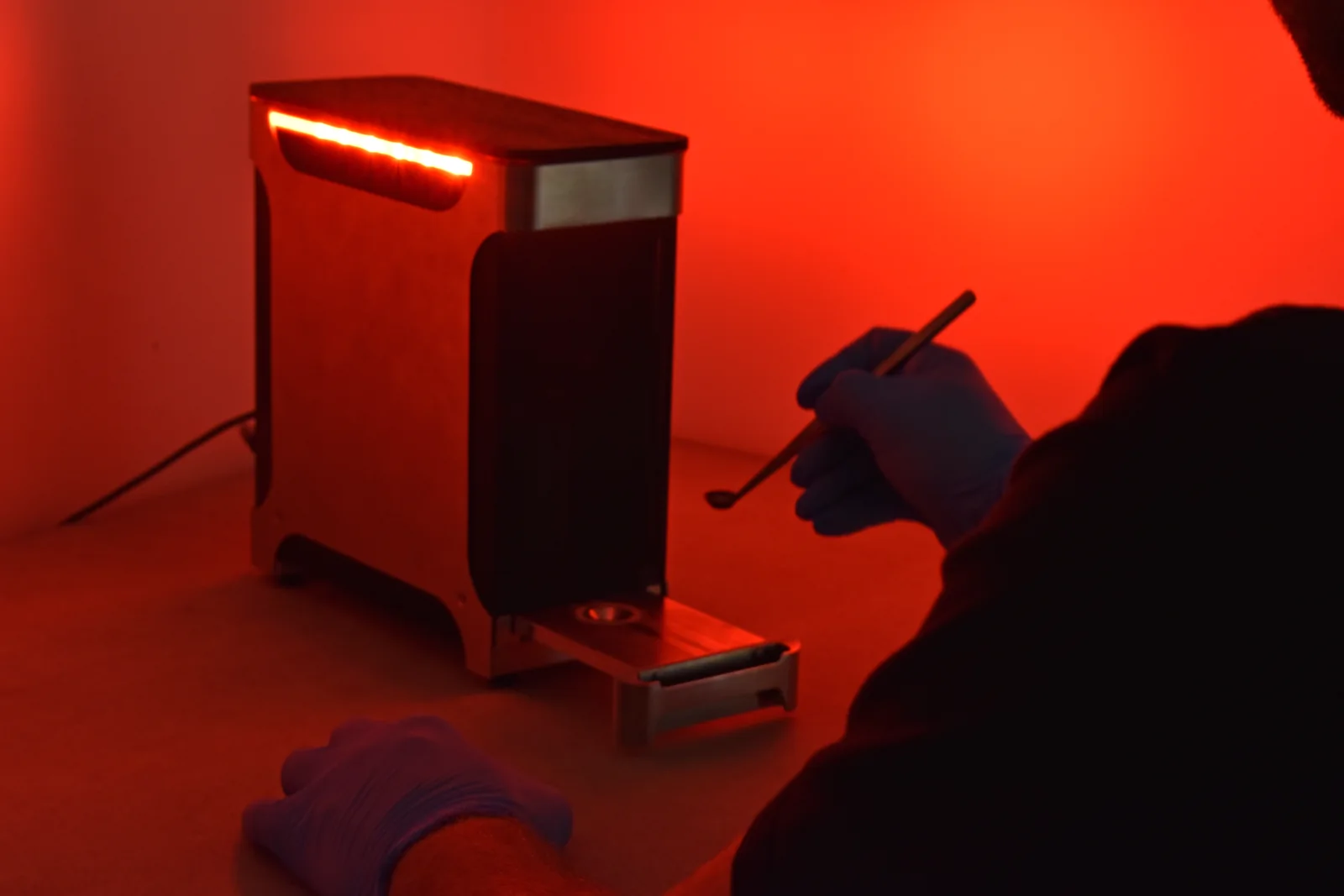
Rapid luminescence screening helps interpret how sediment layers formed and moved. UHK lists it for separate research profiles.
Using a Spectral Evolution RS 3500 spectroradiometer, we characterise the material composition and surface properties of samples.
pH measurements complement geochemical results with information on soil reaction and help compare soil and sediment properties.
We measure colour in the CIE L*a*b* space using a HunterLab MiniScan EZ colourimeter. An objective record of colour supports comparisons between samples and sediment layers.
Outputs can include analytical results and a specialist report, as well as a documented dataset with metadata prepared for deposit in a scientific repository. We help connect laboratory measurements with spatial data, statistical evaluation and interpretation.
We agree the scope of data documentation and preparation for publication according to the needs of each project. We emphasise long-term accessibility and reuse in line with FAIR principles.
Contract research at the UHK Faculty of Arts is provided through the Centre for Field Archaeology (CETA). Soilscape focuses on soils, sediments and their archaeological context.